 Quizstack
React useEffect: When You Need It and When You Don't
Discover why useEffect is often overused in React applications and learn cleaner patterns to simplify your components and avoid common pitfalls.
15/10/2026
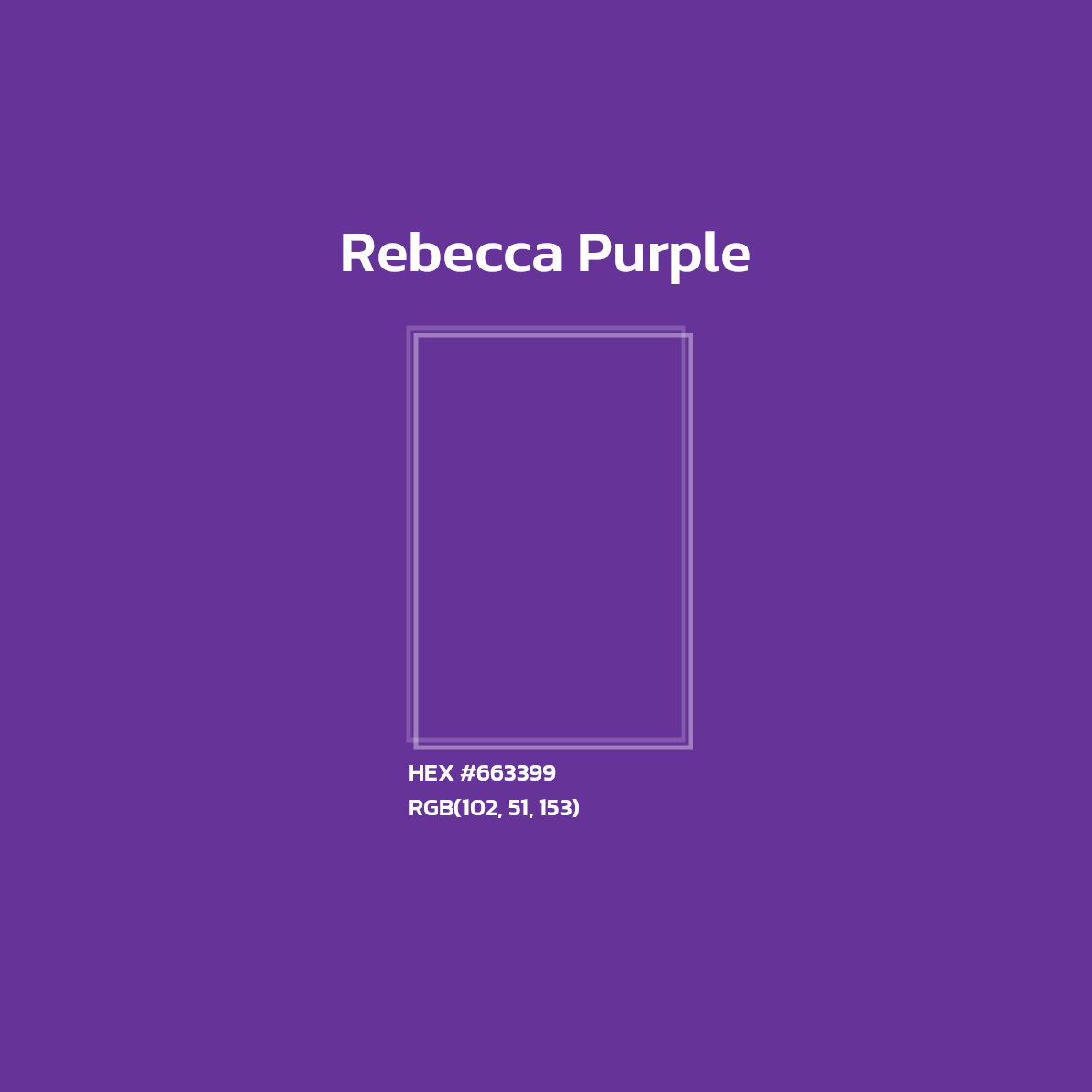
In November 2024, CSS received a new official logo. The design, created by Javier Aguilar after months of community voting, features a striking purple shade. But this wasn't an arbitrary aesthetic choice. Far from being a random aesthetic choice, this color represents love, loss, and the enduring connections that bind us all.
The color is rebeccapurple, and its story is one of the most touching in the history of web standards.
To understand rebeccapurple, you first need to know Eric Meyer. Eric A. Meyer is an American web design consultant and author. He is best known for his advocacy work on behalf of web standards, most notably CSS. Meyer has written a number of books and articles on CSS and given many presentations promoting its use.
From 1992 to 2000, Meyer was employed as a hypermedia systems manager at CWRU. In 1998, he developed the landmark CSS1 test suite with the help of other volunteers, allowing CSS implementors to test their software and address its rendering issues. Meyer joined the Web Standards Project in the same year and became a co-founder of its CSS Samurai, an advocacy group which worked with browser vendors to improve CSS support in their products.
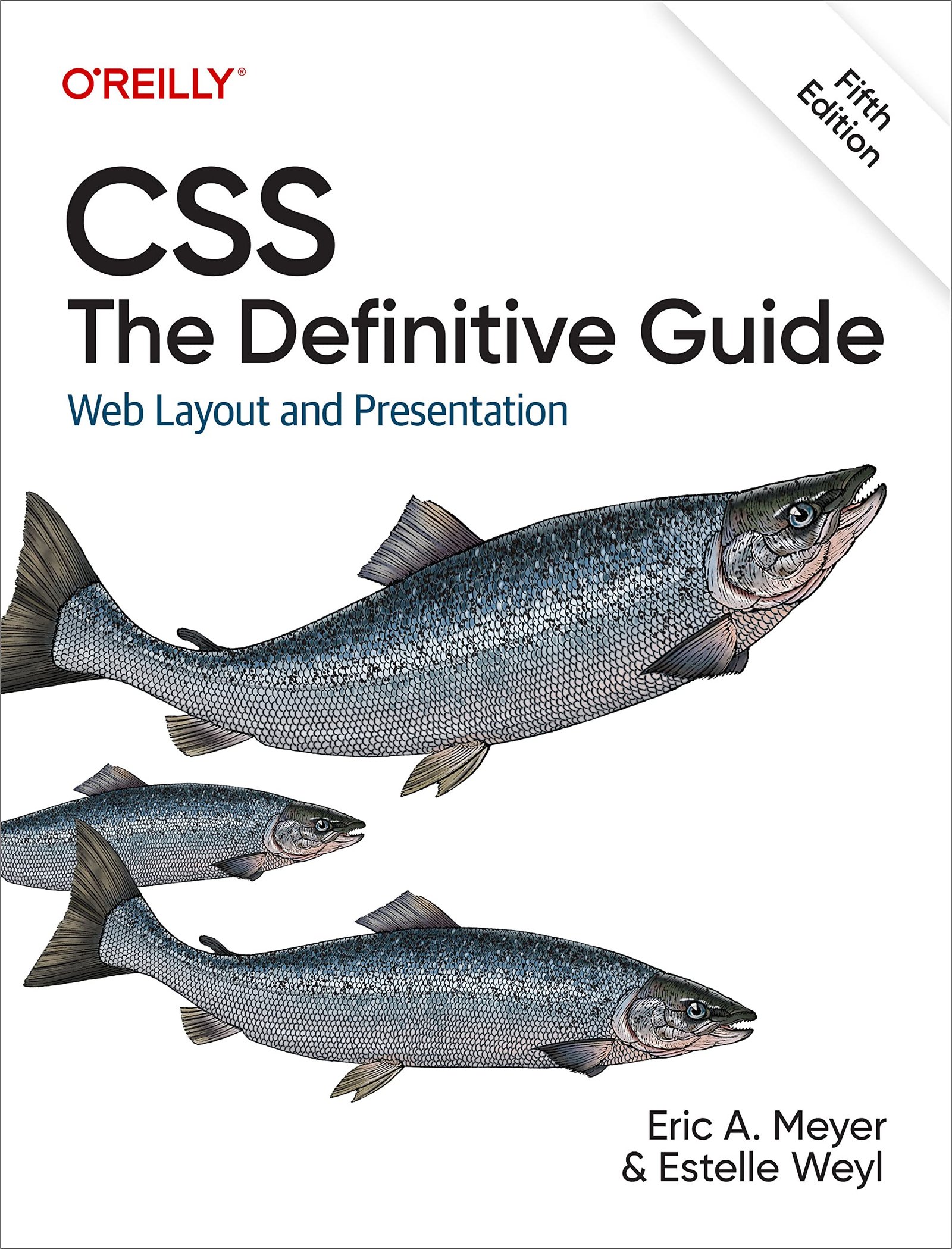
A columnist since 1997, a book author and frequent conference speaker on CSS since 2000, Meyer has attained celebrity status in the field of web design. His book CSS: The Definitive Guide has taught generations of developers how to use stylesheets.
One of the pioneers of the CSS Reset method, Eric Meyer created a Reset stylesheet that is still in use on millions of websites today.
In short, Eric Meyer is one of the most influential figures in CSS history.
In June 2014, Eric Meyer—a web developer whose books and articles have taught CSS to a generation of developers—lost his six-year-old daughter Rebecca to a brain tumor. On the day of her passing, the web community gathered online and proposed adding a color named after her to the CSS specification. Within days, the W3C CSS Working Group formally agreed.
She loved the color purple, a shade that was always with her. Rebeccapurple is now hex #663399—a rich, medium purple that was apparently Rebecca's favorite color. It's been part of the official CSS specification since 2014.
The color was originally proposed as "beccapurple," but Eric Meyer made one request. He set one condition: that if the proposal is accepted, the official name be rebeccapurple. A couple of weeks before she died, Rebecca informed her parents that she was about to be a big girl of six years old, and Becca was a baby name. Once she turned six, she wanted everyone to call her Rebecca, not Becca.
"She made it to six. For almost twelve hours, she was six. So Rebecca it is and must be."
The proposal was approved by the CSS Working Group and added to the CSS4 Colors module. Patches to web browsers happened in nightly builds almost immediately.
Tab Atkins Jr., co-editor of the CSS Color Module Level 4, noted that this was the first time a color in the CSS specification was named in honor of a person.
Using rebeccapurple in your code is simple:
p {
  color: rebeccapurple;
}

.header {
  background-color: #663399; /* Same color in hex */
}
Developers can use the name rebeccapurple in their CSS, instead of its hexadecimal equivalent, #663399. Today, all modern web browsers support it.
The CSS Color Level 4 specification (which became a W3C Recommendation in 2022) added two new named colors: rebeccapurple and transparent. Among the roughly 140 named colors in CSS, rebeccapurple stands alone as a tribute to a human story.
After months of entries and voting, a final design by Javier Aguilar was chosen. On November 12, 2024, the new official CSS logo was revealed, featuring a striking purple design.
A community vote in the CSS-Next repository on GitHub decided on a new official logo for CSS. The design follows the design language of the logos of other web technologies like JavaScript, TypeScript, and WebAssembly.
The choice of rebeccapurple for the logo was intentional. The inclusion of rebeccapurple in the new CSS logo elevates it from a simple design to a powerful emblem of remembrance and community.
Ten years later, we still remember Rebecca, and the selection of her color for the new CSS logo confirms its ongoing significance.
For a lot of developers, it's the color they think of when they want to remember that behind every technical standard, there are human beings with real lives.
This proposal deeply resonated with the web development community. In a field known for precision and logic, the community showed its heart through this collective act of empathy. Developers and designers worldwide embraced the idea, moved by Rebecca's story and Eric's courage in sharing his grief.
The CSS logo, with its nod to rebeccapurple, now stands as a symbol of this mission. It reminds us that the web is more than technology; it's a canvas for stories, memories, and connections that transcend the digital realm.
Eric Meyer continues his work in the CSS community. He has been working with the web since late 1993 and is an internationally recognized expert on the subjects of HTML, CSS, and web standards. He was technical lead at Rebecca's Gift, a 501(c)(3) non-profit organization dedicated to providing healing family vacations after the death of a child.
Every time you use rebeccapurple in your stylesheet, you're carrying forward a small piece of history. It's a reminder that the technologies we build are made by people, for people—and that sometimes, the most meaningful features aren't about performance or functionality at all.
It's also just a very useful purple if you need one.

Discover why useEffect is often overused in React applications and learn cleaner patterns to simplify your components and avoid common pitfalls.
Master the fundamental Git commands and concepts to track changes, collaborate efficiently, and manage your codebase with confidence.

Simple principles from Refactoring UI that separate amateur interfaces from polished products.
Test your HTML, CSS, JavaScript, PHP, SQL skills and more with free quizzes. Perfect for beginners learning to code or developers preparing for interviews.