 Quizstack
React useEffect: When You Need It and When You Don't
Discover why useEffect is often overused in React applications and learn cleaner patterns to simplify your components and avoid common pitfalls.
26/06/2026
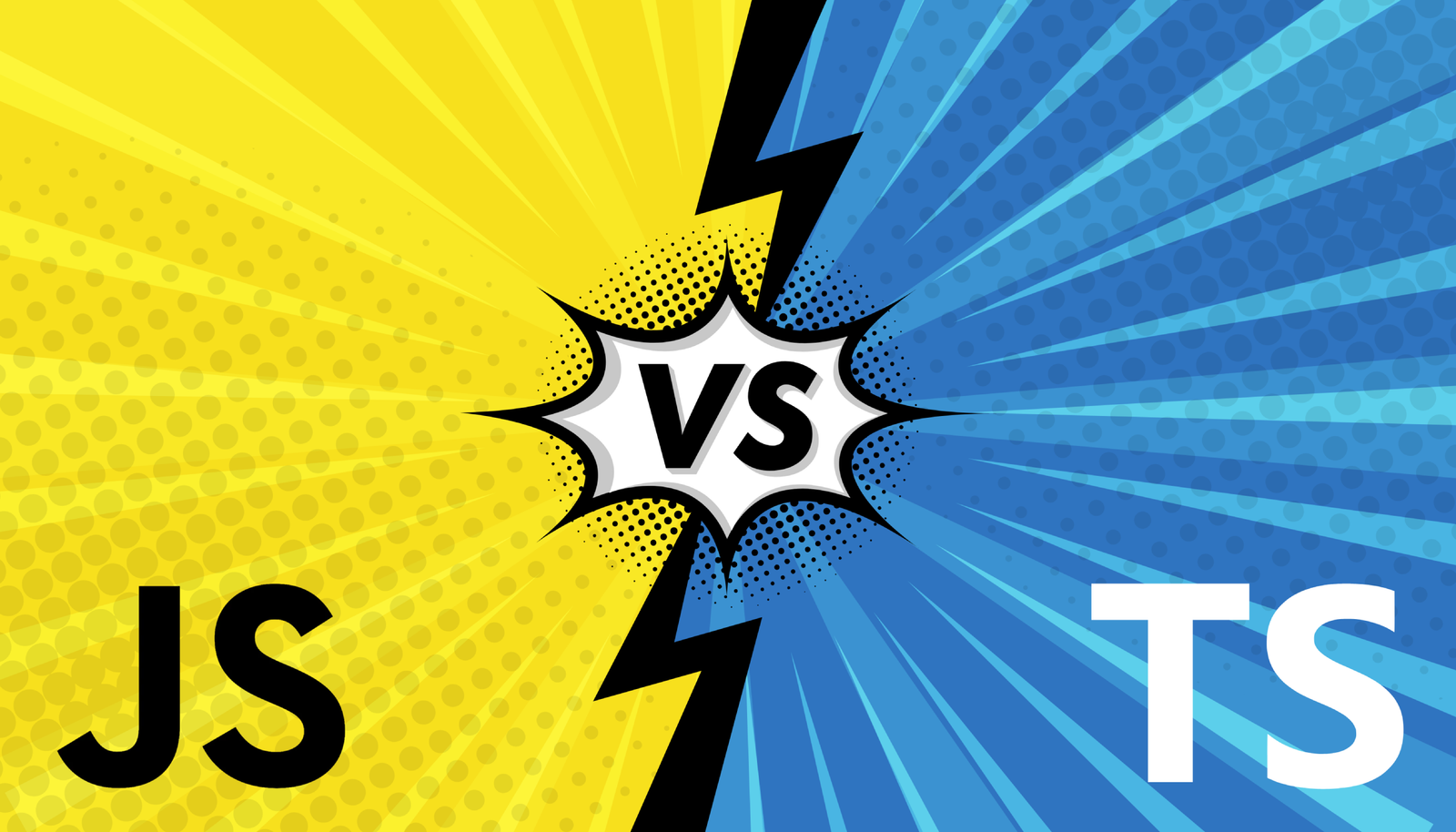
JavaScript conquered the web through flexibility. No types to declare, no compiler to satisfy, no ceremony between idea and execution. This freedom enabled rapid prototyping and lowered barriers for newcomers.
That same freedom becomes liability at scale.
A function accepts any argument. A variable changes type mid-execution. An object might have a property—or might not. In small scripts, this flexibility feels liberating. In large applications maintained by teams over years, it becomes a source of constant anxiety.
TypeScript emerged as the antidote: JavaScript's power with static typing's safety. Today, it's no longer an alternative—it's becoming the default.
JavaScript fails at runtime. TypeScript fails at compile time. This distinction changes everything.
Consider a simple function:
function formatUser(user) {
    return user.name.toUpperCase();
}
In JavaScript, this works until someone passes null, or an object without name, or a string. The error appears in production, perhaps at 3 AM, perhaps affecting thousands of users.
TypeScript catches this immediately:
function formatUser(user: User): string {
    return user.name.toUpperCase();
}
If User type doesn't guarantee name exists, the compiler protests. If someone passes the wrong type, the code won't build. The bug dies in the editor, not in production.
This isn't about catching obvious mistakes—any developer notices null.toUpperCase(). It's about catching subtle ones: the renamed property, the optional field treated as required, the refactored function whose callers weren't updated. TypeScript tracks these relationships across thousands of files, finding inconsistencies humans inevitably miss.
Studies suggest typed languages reduce bugs by 15% or more. In large codebases, that percentage translates to hundreds of prevented incidents.
Reading unfamiliar JavaScript demands detective work. What does this function accept? What does it return? What shape should this object have? You grep through usages, trace call sites, experiment in the console.
TypeScript answers these questions explicitly:
interface Product {
    id: string;
    name: string;
    price: number;
    stock?: number;
}

function applyDiscount(product: Product, percentage: number): Product {
    return {
        ...product,
        price: product.price * (1 - percentage / 100)
    };
}
A new developer understands instantly: the function takes a product and a percentage, returns a modified product, and stock is optional. No documentation to read, no source code to trace—the types tell the story.
This self-documentation stays current automatically. Comments rot as code evolves; developers forget to update them. Types can't lie—the compiler enforces their truth. When someone adds a required field to Product, every usage must adapt. The documentation updates itself.
Onboarding accelerates dramatically. Instead of absorbing tribal knowledge over months, new team members read type definitions and understand contracts immediately. The codebase becomes navigable, its architecture visible in its types.
TypeScript compiles to JavaScript by removing types. Nothing else changes. No runtime overhead, no new paradigm. The same functions, objects, and patterns - just annotated.
Migration is gradual. Rename .js files to .ts, enable loose compiler settings, and your JavaScript project becomes TypeScript. Add types incrementally. No rewrite required.
The any type provides an escape hatch. When typing feels impossible, any accepts everything - reverting to JavaScript's dynamic behavior for that case.
The industry voted. Typed languages won.
Python added type hints. PHP embraced strict typing. Ruby introduced RBS. The pattern is clear: as applications grow complex, developers choose safety over freedom.
Major frameworks - Angular, NestJS, and increasingly React and Vue - assume TypeScript by default. Job postings list it as required, not preferred.
The reasoning is economic. Runtime errors cost more than compile-time errors. Debugging takes longer than typing. At scale, static typing pays dividends.
JavaScript's evolution moves through TC39, the standards committee. This process is deliberately slow. Adding a complete type system would require massive specification work and browser implementation.
TypeScript also evolves rapidly. Browsers embedding it would either freeze its evolution or face constant churn. And runtime type checking would cost performance - TypeScript's types vanish in output JavaScript by design.
A proposal called "Type Annotations" suggests browsers could accept TypeScript syntax while ignoring types at runtime. Its fate remains uncertain.
For now, compilation remains. Build tools handle it invisibly. TypeScript's benefits outweigh its tooling cost.
TypeScript represents JavaScript's maturation. Errors caught at compile time never reach users. Types document code better than comments ever could. Migration is gradual, not revolutionary.
JavaScript gave us the web. TypeScript helps us maintain it.

Discover why useEffect is often overused in React applications and learn cleaner patterns to simplify your components and avoid common pitfalls.
Master the fundamental Git commands and concepts to track changes, collaborate efficiently, and manage your codebase with confidence.

Simple principles from Refactoring UI that separate amateur interfaces from polished products.
Test your HTML, CSS, JavaScript, PHP, SQL skills and more with free quizzes. Perfect for beginners learning to code or developers preparing for interviews.